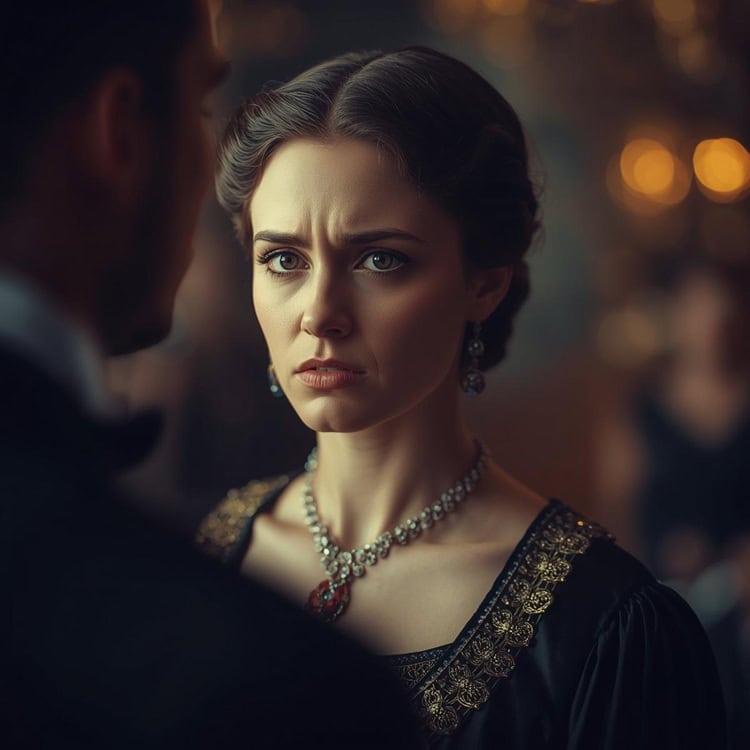
What is it about the concept of forbidden love that pulls readers in? And not just readers. The idea of two people being kept apart for reasons beyond their control is an evergreen trope that always seems to work.
Is it our innate sense of justice that burrs up at the thought of unfair standards or rules? Or a natural rebelliousness that drives humans to push boundaries whether it seems wise or not?
I don’t really know, but I’m hoping for the sense of justice argument because it feels more noble. Although, there’s a less noble, yet undeniable, sense of curiosity and excitement around something that’s ruled to be out of bounds. And the more vehemently it’s enforced, the more we seem to be drawn to it.
The lure of the forbidden
Ah yes, so dangerous and naughty. When we’re told to avoid something, especially if we’re strongly warned off of it, we can’t help but ask why. That might spring from basic curiosity. Or maybe a lack of trust in authority figures, or a lack of decent explanation offered.
Take, for instance, interracial romance. If the parties concerned are warned off with the reason of ‘they’re a different color/culture’, guess what just got a hell of a lot more attractive? We want to know if we’re being pushed by someone else’s personal opinion.
As humans, we don’t like to be ordered around by other humans. If you have siblings and you were ever left home together without a parent, you probably know what I’m talking about. The oldest is left ‘in charge’, an appalling situation unless that was you. I was number 3 out of 4, so it always sucked. There’s the inevitable question of why should I take orders from someone on par with me? But anyway.
How it works in fiction
I’m not talking about real-life power struggles here because that’s depressing. We’re talking books, specifically romantic ones.
To make the whole ‘do what I say or else’ thing work in fiction, the meanie laying down the rules has to have some power. If they didn’t, the hero or heroine could just push them down and tell them to get stuffed.
Enter the heartless dictator-type character. It could be a parent, a domineering older sibling, commander, king or some other person in authority. All they really need is some influence and a motivation to stop our poor unfortunate couple from being happy.
Firstly, let’s clearly establish that we need these hateful bastards, otherwise many stories wouldn’t really go anywhere. We’re not intended to like them, but we need them for plot development. Everything from Romeo and Juliet to the Little Mermaid wouldn’t have had the emotional drama without someone forbidding their love.
Forbidden Love Options

The basic storyline of two people in love but kept apart by others is a pretty safe bet. Yes, it has been done many times but, because it’s so well-known, it’s easy to establish. That means readers can get on board with it quickly and easily. There’s no need to argue with the classics. But some stories take this concept and run a little further with it. There are many possibilities, but let’s consider just a few.
Class and money
The forbidden element can come from a more general societal and class-based angle. Many historical romances rely on this sort of setup. Even Pride and Prejudice is built heavily upon class distinction. This makes not only Elizabeth and Mr. Darcy but also Jane and Mr. Bingley the victims of forbidden love. And the results are delightful.
Age gap
This one can get icky and potentially illegal if the author isn’t careful. It can also limit the happy ever after element if one of the characters is quite a bit older. If it’s a 30 year gap, there isn’t, realistically, a lot of ever after stretching before them. Unless it’s fantasy.
I’m totally on board with age gap if they don’t grow decrepit and keel over after fighting to be together. There is a mighty big age difference between the main characters in my book Saradess. It does influence their interactions and abilities, but it ultimately isn’t a problem because those two races don’t grow old.
Old wounds
One of the actual love interests can be the one that forbids their own love. Another well-worn romance trope is the jaded hero who can never love again because of – insert reason of choice.
Perhaps his first wife was a cheating hag. This pain convinces him that he can’t possibly welcome the genuine love of a completely different person. Because what else would an intelligent man logically do? He’d swear off all forms of marital love and settle for carnal lust because one selfish cow lied to him. That’s reasonable, right?
The important thing to remember is that the author won’t necessarily give you a good reason. Especially if the book is really short and has ‘Duke’, ‘Spinster’ or ‘Wallflower’ anywhere in the title. It depends on the neighborhood you’re hanging out in. I’ve noticed, as a reader, that historical romance usually follows the standards pretty reliably.
If you know that going in, you’re less likely to be disappointed. It’s quite possible that his painful secret is that his stepmother hated his father for a reason unconnected with him. So, plenty of sex, but no love for anyone until an innocent country miss shows him that the world can be happy after all. Don’t take it too seriously and you’ll be fine. It’s a bit of fun fiction.
Romance needs obstacles
Regardless of the specific genre of romance, a seamless journey into love and a happy future isn’t terribly interesting. We’re reading a book hoping for a plot. We really should be able to take it for granted that something is going to happen.
Something needs to introduce an element of risk to the couple’s future. For most of us, that’s what we want. A bit of angst and friction, maybe some soul-searching as a result. But what we also typically want, is a happy ever after.
A book that can blend this romantic tension and forbidden love effectively, and still wrap it up in a tidy and satisfying ending, is a winner in my opinion.

Leave a Reply